

Core themes explored
Meaning hides in the small repetitions, not the grand gestures. Hollis kept finding it in exactly these ordinary acts.
The Tao slips past naming, yet moves through every detail, down to the sound of the latch.
Attention rarely announces itself. You show up, suds and all, and tend the clarity rather than force it.
A bare “I am” surfaces mid-motion, and then the spray arm falls off again.
Voices in the piece
James Hollis, Marcus Aurelius, and the Tao Te Ching.
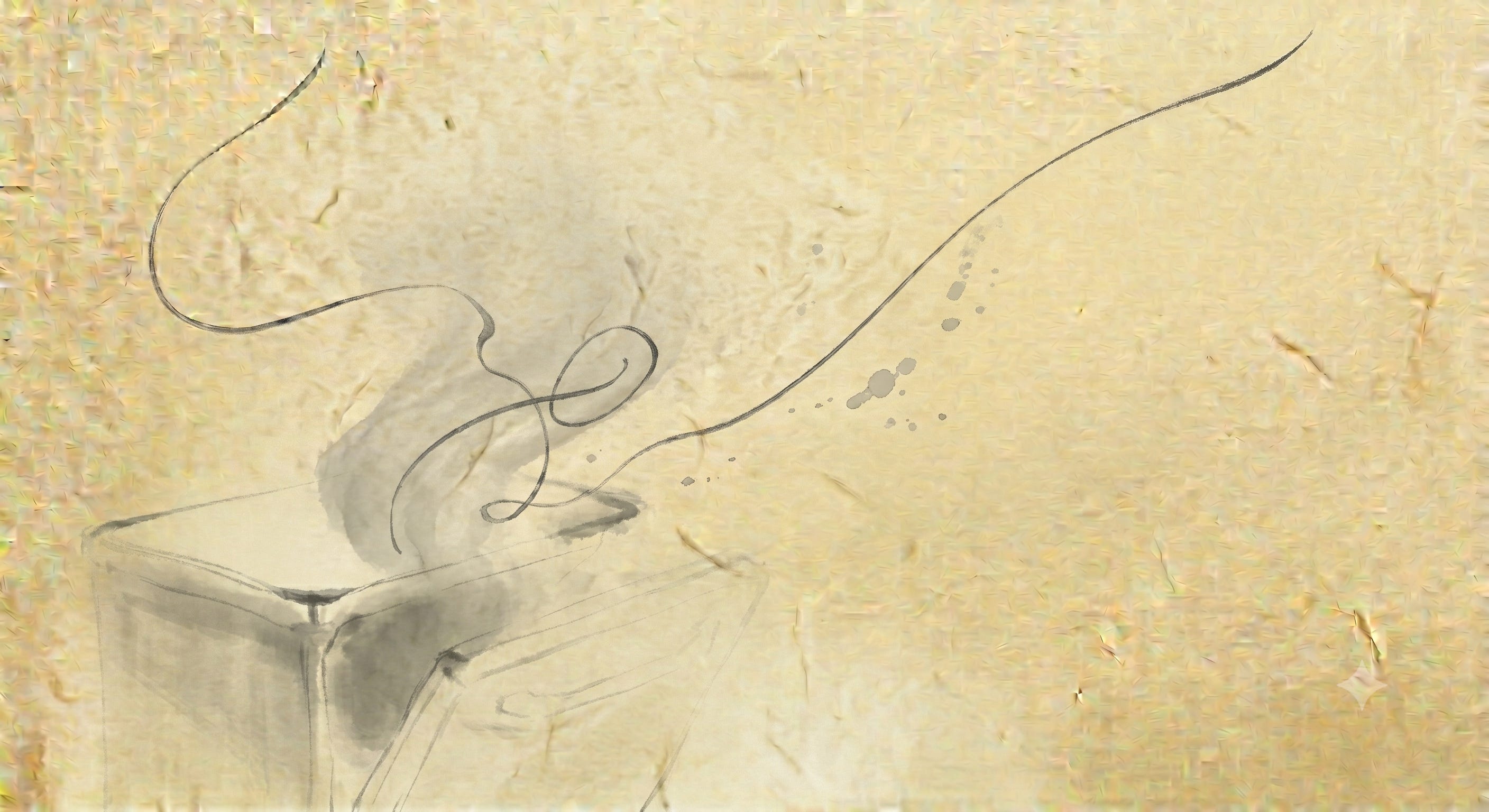
Most evenings I load the dishwasher.
Like a short-order cook at closing time: rinsing, stacking, sometimes muttering small apologies to the plates I promised I wouldn’t chip, or wondering why in the world someone placed that dish in that slot at that angle. But once in a while, the jerky, clattering movements downshift. I take a beat, and I notice the way warm water slides across porcelain, feel the pleasant click as a mug finds its place, and take quiet pride in a lineup of gleaming cutlery, every cup and plate in its glorious, designated slot.
It’s not a ritual I inherited. Nobody sat me down and taught the Way of the Bowl. Still, meaning sneaks into these small repetitions. The Jungian psychoanalyst James Hollis kept finding it there too, tucked into the “small acts” of daily tending.1 Grand gestures don’t really surface all that often. The Tao slips past naming, yet moves through every detail, even the sound the dishwasher makes as it latches shut.2
There’s a certain comedy here, too. One of my Stoic heroes, Marcus Aurelius, faced the weight of empire, but I face the spray arm that seems to fall off when I look away.3 And the lesson lingers in a soft, wet tempo. Most of what needs attending doesn’t announce itself. We simply show up, suds and all, and pay a splash of attention.
In those moments, with one hand on a chipped plate, the other closing the door, I remember that clarity emerges naturally through rhythm, through motion, through not reaching for my phone while the wash cycle runs. I can’t force clarity, but I can tend to it. And then, briefly, I notice: I am.
For a breath, anyway, before the spray arm slips loose again.
If consciousness moves as the field of awareness, then this too is being aware: stacking bowls, arranging spoons, listening for the soft rumble as everything inside begins to transform.
Eventually, the cycle ends. I open the door and embrace the cloud of steam. I wipe my foggy glasses. It’s certainly not enlightenment, but the forks are clean and that’s usually enough for one evening.
James Hollis, Living an Examined Life: Wisdom for the Second Half of the Journey (Boulder, CO: Sounds True, 2018).
Derek Lin, The Tao of Daily Life (Woodstock, VT: SkyLight Paths Publishing, 2007), see also Derek Lin’s Tao blog.
Marcus Aurelius, Meditations, translated, introduced, and edited by Robin Waterfield (New York: Basic Books, 2021).